- Tel: +86 13451474678 / 13451474678
- Email: / hbzinanmech@gmail.com



soon hock gear & precision engineering
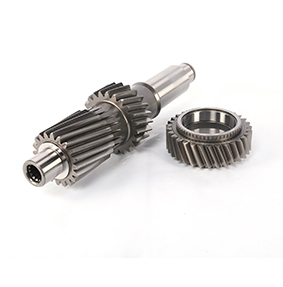
Introduction to Precision Shafting in Industrial Applications In the realm of industrial machinery, the integrity and performance of rotational components are paramount. Among these, shaft types serve as the foundational elements for power transmission, supporting rotating parts, and facilitating motion. These critical components are integral to a vast array of mechanical systems, ranging from intricate precision instruments to heavy-duty industrial equipment. Their design and material selection directly influence a system's efficiency, reliability, and longevity. Understanding the diverse classifications, manufacturing complexities, and application-specific requirements of various shaft designs is crucial for engineers and procurement specialists. This article delves into the technical intricacies, industry trends, and practical considerations involved in specifying and acquiring high-performance industrial shafts, especially those integral to robust power transmission systems, often working in tandem with complex gears working principle to deliver optimal mechanical advantage. Industry Trends in Advanced Shaft Manufacturing The industrial landscape for shaft types is undergoing significant evolution, driven by demand for greater efficiency, higher power density, and reduced operational costs. Key trends include the adoption of advanced material science, the integration of smart manufacturing technologies, and a heightened focus on sustainability. Material Innovation: There's a growing shift towards specialized alloy steels (e.g., high-strength low-alloy steels, maraging steels) and even composites for applications requiring superior strength-to-weight ratios, enhanced fatigue resistance, and improved corrosion properties. For demanding environments, materials like Duplex Stainless Steel (e.g., UNS S31803) are increasingly specified to withstand aggressive chemical exposures. Precision Manufacturing & Additive Techniques: Ultra-precision CNC machining, superfinishing techniques, and even additive manufacturing for prototyping or complex geometries are becoming standard. This allows for tighter tolerances, superior surface finishes (e.g., Ra < 0.4 µm), and optimized designs that reduce friction and extend component life. Digital Integration & Predictive Maintenance: The incorporation of sensors and IoT capabilities into rotating equipment allows for real-time monitoring of shaft performance, vibration analysis, and temperature. This data-driven approach enables predictive maintenance strategies, significantly reducing unscheduled downtime and extending the service life of various shaft types . Digital twins are also gaining traction for lifecycle management. Energy Efficiency & Sustainability: With increasing energy costs and environmental regulations, there's an emphasis on designing shafts that minimize power losses, primarily through reduced friction and optimized weight. The lifecycle assessment of materials and manufacturing processes is also gaining importance, aiming for lower carbon footprints. These trends necessitate that manufacturers of industrial shafts continuously innovate, investing in R&D and advanced manufacturing capabilities to meet the evolving demands of sectors such as petrochemical, metallurgy, and renewable energy. Manufacturing Process Flow for High-Performance Shaft Types The production of high-performance shaft types involves a meticulously controlled, multi-stage process to ensure superior mechanical properties, dimensional accuracy, and surface integrity. This process typically begins with rigorous material selection and progresses through various shaping, treatment, and finishing operations. Key Materials Used: Alloy Steels: 42CrMo4, 34CrNiMo6, 30CrMnSiA, 35CrMo, 40Cr. These offer high tensile strength, excellent toughness, and good fatigue resistance after appropriate heat treatment. Carbon Steels: C45 (1045), C50. Economical for less demanding applications, offering good machinability and moderate strength. Stainless Steels: 304, 316, 420, Duplex (e.g., 2205). Utilized for corrosion resistance, often in chemical, marine, and food processing industries. Manufacturing Process Steps: Material Procurement & Inspection: Raw material (steel billets or bars) is sourced from certified suppliers. Thorough inspection, including chemical analysis and ultrasonic testing (UT), ensures material conformity to specifications (e.g., ASTM A29, EN 10083). Forging or Casting (Initial Shaping): For critical applications requiring enhanced grain structure and mechanical properties, forging is preferred. Larger shafts might undergo open-die or closed-die forging. For less stressed components, casting followed by normalization can be an option. Rough Machining: Initial turning, milling, and drilling operations remove excess material, bringing the shaft close to its net shape. This stage ensures sufficient material for subsequent precision operations. Heat Treatment: A crucial stage to achieve desired mechanical properties. Common treatments include: Normalization: Refines grain structure, improves machinability. Quenching & Tempering (Q&T): Enhances hardness, strength, and toughness. Hardness requirements are precisely controlled (e.g., 28-32 HRC for 42CrMo4). Carburizing/Nitriding: Surface hardening processes for wear resistance on specific areas like bearing journals or gear teeth (when integral). Precision CNC Machining: State-of-the-art CNC lathes, milling machines, and grinding equipment are used for final shaping. This includes creating keyways, splines, threads, and achieving precise diameters and runout tolerances (e.g., concentricity within 0.01mm). Surface Finishing: Grinding, honing, and polishing operations achieve specified surface roughness values (e.g., Ra 0.8 µm for general purpose, Ra 0.2 µm for high-speed bearing surfaces). This reduces friction and prevents fatigue crack initiation. Dynamic Balancing: For high-speed applications, dynamic balancing is performed to minimize vibration and extend bearing life, adhering to ISO 1940-1 standards (e.g., G6.3 or G2.5). Final Inspection & Testing: Comprehensive inspection includes dimensional verification, non-destructive testing (NDT) such as Magnetic Particle Inspection (MPI) or Dye Penetrant Inspection (DPI) for surface flaws, and Ultrasonic Testing (UT) for internal defects. Mechanical property tests (tensile, impact) are performed on test coupons. Adherence to standards like ISO 9001 and ANSI is strictly maintained. Corrosion Protection & Packaging: Application of rust preventative coatings, followed by robust packaging to prevent damage during transit. Figure 1: Illustration of a precision-machined industrial shaft. This rigorous process ensures that each shaft delivers optimal performance, service life, and reliability in its intended application, often exceeding typical service life expectations of 10-15 years under proper operating conditions and maintenance. Technical Specifications and Parameters of Industrial Shafts The performance and compatibility of industrial shaft types are defined by a comprehensive set of technical parameters. These specifications are critical for engineers designing systems to ensure correct fit, function, and longevity, especially when considering the complex load distributions inherent in gears working principle applications. Key Technical Parameters: Material Grade: Chemical composition, ASTM/EN/JIS standard. Tensile Strength (UTS): Maximum stress a material can withstand before fracture (e.g., 900-1100 MPa for 42CrMo4 Q&T). Yield Strength (YS): Stress at which a material begins to deform plastically (e.g., 750-950 MPa). Hardness: Resistance to indentation (e.g., 28-32 HRC for core, up to 58-62 HRC for case-hardened surfaces). Surface Roughness (Ra): Average deviation from the mean line of the surface (e.g., 0.2 – 1.6 µm, depending on application zone). Dimensional Tolerances: Diameter, length, runout, concentricity, parallelism (e.g., ISO IT6 to IT9). Dynamic Balance Grade: ISO 1940-1 grade (e.g., G6.3 for general rotating machinery, G2.5 for precision applications). Fatigue Limit: Maximum stress that can be applied for an infinite number of cycles without failure. Typical Product Specification Table: Transmission Gear Shaft Parameter Specification / Range Material 42CrMo4 (EN 1.7225) Heat Treatment Quenched & Tempered (Q&T) Tensile Strength (UTS) Min. 950 MPa Yield Strength (YS) Min. 780 MPa Hardness 285-320 HB (approx. 29-35 HRC) Diameter Range 50 mm to 600 mm (customizable) Length Range Up to 6000 mm (customizable) Runout Tolerance 0.01-0.03 mm TIR (Total Indicator Reading) Surface Finish (Ra) 0.8 µm for general, 0.2 µm for bearing journals Dynamic Balance ISO 1940-1 Grade G6.3 or G2.5 Testing Standards ISO 9001, MPI, UT, MT, RT These specifications are crucial for ensuring that the shaft types can withstand the operational stresses, thermal loads, and environmental conditions of their intended applications, providing optimal performance and safety. Application Scenarios and Industry Use Cases Industrial shafts are ubiquitous, forming the backbone of virtually every rotating machine across diverse sectors. Their specific design, material, and manufacturing precision are tailored to meet the unique demands of each industry and application, contributing significantly to efficiency and system reliability. Target Industries: Petrochemical & Oil & Gas: Critical for pumps, compressors, turbines, and agitators operating in harsh, corrosive, and high-temperature environments. Requires materials resistant to H2S, chlorides, and high pressures. Metallurgy & Mining: Used in rolling mills, crushers, conveyors, and heavy-duty gearboxes. Demands high fatigue strength, impact resistance, and wear resistance due to extreme loads and abrasive conditions. Water Supply & Drainage: Essential for large-scale pumps, mixers, and filtration systems. Focuses on corrosion resistance and long service life in aquatic environments. Power Generation (Thermal, Hydro, Wind): Main shafts for turbines, generators, gearboxes. Requires exceptional strength, fatigue resistance, and precise balancing for continuous, high-speed operation. Marine & Shipbuilding: Propeller shafts, rudder stocks, and power transmission shafts for marine engines. Must withstand saltwater corrosion, heavy dynamic loads, and vibrations. Heavy Machinery & Automotive: Axles, crankshafts, camshafts, and transmission shafts for construction equipment, agricultural machinery, and commercial vehicles. Advantages in Typical Application Scenarios: Energy Saving: Precisely manufactured shafts with optimal surface finishes and material properties reduce friction losses, leading to significant energy savings over their operational lifespan. In a large industrial pump, for instance, a 1% reduction in friction can translate to thousands of dollars in annual energy cost savings. Corrosion Resistance: Utilizing specialized stainless steels or advanced coatings on specific shaft types ensures extended operational life in corrosive environments, minimizing costly replacements and downtime. For example, a shaft in a chemical processing plant fabricated from Duplex 2205 can last five times longer than one made from standard carbon steel. Extended Service Life: Superior material selection, advanced heat treatments, and stringent quality control result in shafts with enhanced fatigue strength and wear resistance, significantly extending the mean time between failures (MTBF) of critical equipment. High Load Capacity: Engineered for specific torque and bending loads, these shafts maintain structural integrity under extreme operational conditions, preventing catastrophic failures and ensuring safety. These tailored solutions underscore the importance of expert engineering and manufacturing capabilities in delivering shafts that not only meet but exceed demanding industrial requirements. Key Technical Advantages of Optimized Shaft Designs Optimizing the design and manufacturing of shaft types yields a cascade of technical advantages crucial for enhancing overall system performance, reliability, and operational economics. These benefits stem from a deep understanding of material science, stress analysis, and precision engineering. Reduced Vibration and Noise: Precision machining, tight dimensional tolerances, and meticulous dynamic balancing (e.g., to ISO G2.5) minimize imbalance-induced vibrations. This not only extends the life of associated components like bearings and seals but also reduces operational noise, contributing to a safer work environment. Enhanced Power Transmission Efficiency: Superior surface finishes (low Ra values) and accurate geometric features (e.g., involute splines for gears working principle ) reduce friction and improve engagement, translating into less power loss and greater mechanical efficiency. This directly contributes to energy savings. Increased Durability and Fatigue Life: Strategic material selection (e.g., high-strength alloy steels), controlled heat treatments (e.g., induction hardening of critical zones), and optimized fillet radii at stress concentration points significantly improve fatigue resistance. This allows shafts to withstand millions of load cycles without failure. Superior Wear Resistance: Surface hardening techniques like carburizing, nitriding, or specialized coatings provide excellent resistance to abrasive and adhesive wear, particularly in areas subject to sliding friction or fretting corrosion, such as bearing journals or seal lands. Corrosion and Chemical Resistance: For applications in aggressive environments (e.g., petrochemical, marine), shafts can be manufactured from corrosion-resistant alloys (e.g., Super Duplex Stainless Steel) or coated with specialized materials (e.g., ceramic or hard chrome plating), ensuring long-term integrity and performance. Dimensional Stability and Consistency: Advanced manufacturing techniques and rigorous quality control ensure that each shaft adheres to stringent dimensional specifications, leading to consistent performance, interchangeability, and ease of assembly. These advantages are not merely theoretical; they translate directly into tangible operational benefits, including reduced maintenance, extended equipment lifespans, and improved overall system reliability and safety. Vendor Comparison: Selecting the Right Shaft Manufacturer Choosing the right manufacturer for industrial shaft types is a strategic decision that impacts project timelines, operational costs, and overall system reliability. A comprehensive vendor comparison should go beyond initial cost to evaluate capabilities, quality assurance, and after-sales support. Industrial Shaft Manufacturer Comparison Matrix: Evaluation Factor Premium Manufacturer (e.g., ZinanMech) Mid-Tier Manufacturer Standard Manufacturer Quality Certifications ISO 9001, API Q1, PED, ASTM compliance, third-party inspection capability. ISO 9001. Basic quality control. Customization & Engineering Support Full custom design, material engineering, finite element analysis (FEA), reverse engineering. Limited custom options, basic design assistance. Standard catalog products only. Material Range & Sourcing Extensive range of alloy, stainless, super duplex steels; certified global sourcing. Common alloy and carbon steels. Basic carbon steel. Manufacturing Capabilities Advanced CNC, deep hole drilling, precision grinding, specialized heat treatment, dynamic balancing, large capacity. Standard CNC, basic heat treatment. Manual/semi-automatic machining. Lead Time & Flexibility Optimized supply chain, flexible production, 4-8 weeks for custom. Moderate lead times, limited flexibility. Longer, less predictable lead times. After-sales Support & Warranty Comprehensive technical support, 12-24 month warranty, on-site assistance. Standard warranty, basic remote support. Limited or no warranty/support. While lower initial costs might be tempting, investing in a premium manufacturer with robust certifications and comprehensive capabilities often results in lower total cost of ownership through enhanced reliability, extended lifespan, and reduced downtime. For critical applications, partnering with an established and certified expert is paramount. Customized Solutions for Specialized Shaft Requirements Many industrial applications present unique challenges that cannot be met by off-the-shelf components. This is where customized shaft solutions become indispensable. Tailoring shaft types to precise operational parameters ensures optimal performance, extends service life, and integrates seamlessly into complex systems. Customization encompasses various aspects, from material selection to intricate geometric designs and specialized surface treatments. Elements of Customized Shaft Solutions: Application-Specific Material Selection: Beyond standard steels, custom solutions often involve high-performance alloys chosen for extreme temperatures, corrosive agents, high-stress fatigue, or specific weight restrictions. This might include precipitation-hardening stainless steels, nickel-based alloys, or specialized tool steels. Optimized Geometries and Features: Custom designs account for specific load paths, bearing arrangements, and torque transmission requirements. This includes unique spline profiles, keyway configurations, varying diameters along the length, integrated gears, or hollow designs for weight reduction or internal fluid flow. Specialized Heat Treatments: Tailored heat treatment cycles (e.g., precise carburizing depth, localized induction hardening, cryogenic treatment) can selectively enhance hardness, toughness, or residual compressive stresses in critical areas to maximize fatigue life and wear resistance. Advanced Surface Engineering: Beyond standard grinding and polishing, custom shafts may feature specialized coatings (e.g., thermal spray coatings, PVD/CVD coatings) for ultra-high wear resistance, reduced friction, or specific corrosion protection in highly aggressive environments. Precision Balancing & Alignment: For high-speed or sensitive applications, custom shafts are dynamically balanced to very tight tolerances (e.g., G1.0) and designed with precise alignment features to minimize runout and vibration. Integrated Sensor Solutions: Modern custom shafts can be designed to incorporate internal sensors for real-time monitoring of torque, speed, temperature, or vibration, feeding into predictive maintenance systems and enhancing operational intelligence. A robust customization process involves close collaboration between the client's engineering team and the shaft manufacturer's design and metallurgy experts. This iterative approach ensures that the final product precisely addresses all functional requirements, regulatory compliance, and performance expectations, offering superior operational longevity and reducing the total cost of ownership compared to adapting standard components. Application Case Studies: Real-World Impact Real-world application case studies demonstrate the tangible benefits of expertly engineered industrial shaft types . These examples highlight how tailored solutions address specific challenges, leading to improved operational efficiency, reduced maintenance, and enhanced system reliability. Case Study 1: High-Pressure Pump Shaft for Petrochemical Industry Challenge: A major petrochemical plant experienced frequent failures of high-pressure pump shafts (every 8-12 months) due to a combination of corrosive media (chlorides, H2S) and high torsional stress. Downtime for replacement was costly, estimated at $50,000 per incident. Solution: Our engineering team collaborated to design a custom shaft using Super Duplex Stainless Steel (UNS S32750), known for its exceptional corrosion resistance and high strength. The design also incorporated optimized fillet radii and a specialized surface hardening process for the bearing journals. Result: The custom Super Duplex shafts have now been in continuous operation for over 4 years without failure, extending service life by over 400%. This translates to an estimated savings of more than $200,000 in avoided downtime and replacement costs annually. Customer feedback highlighted the "unprecedented reliability" of the new components. Case Study 2: Main Shaft for Large-Scale Wind Turbine Gearbox Challenge: An offshore wind farm was facing premature fatigue failures in the main shafts of their 5MW wind turbine gearboxes. The shafts, responsible for transmitting power from the rotor to the generator (integrating with the gears working principle ), were failing under variable loads and harsh marine environmental conditions, leading to expensive repairs requiring specialized vessels. Solution: We proposed a redesign using a high-strength alloy steel (34CrNiMo6) with a specific heat treatment profile to achieve a deeper hardened case and enhanced core toughness. Advanced shot peening was applied to critical areas to induce compressive residual stresses, significantly increasing fatigue resistance. Each shaft underwent dynamic balancing to ISO G2.5 and 100% Ultrasonic Testing. Result: The redesigned shafts demonstrated a 60% improvement in fatigue life during testing and have since performed flawlessly in operational turbines for over 7 years. This extended lifespan has dramatically reduced maintenance costs and optimized energy production uptime for the wind farm operator, showcasing the value of superior engineering in critical infrastructure. Commitment to Quality and Trustworthiness Our commitment to delivering superior industrial shaft types is underpinned by stringent quality control, authoritative certifications, and robust customer support. We understand that trust is built on a foundation of reliability, transparency, and a dedication to engineering excellence. With over 20 years of experience serving leading OEMs and industrial clients globally, our processes are designed to meet the highest international standards. Authoritativeness and Certifications: ISO 9001 Certified: Our quality management system adheres strictly to ISO 9001:2015, ensuring consistent product quality and continuous process improvement. API Spec Q1 Compliant: For critical oil and gas applications, our manufacturing processes meet the rigorous requirements of API Specification Q1, demonstrating our capability to deliver high-integrity products. Comprehensive Testing: All shafts undergo comprehensive Non-Destructive Testing (NDT) including 100% Ultrasonic Testing (UT), Magnetic Particle Inspection (MPI), and often Dye Penetrant Inspection (DPI) and Radiographic Testing (RT) where required, verifying material integrity and surface quality. Material Traceability: Full material traceability from raw billet to finished product, supported by detailed material test certificates (MTCs) to EN 10204 3.1 or 3.2. Frequently Asked Questions (FAQ): Q: What is the typical lead time for custom industrial shafts? A: Lead times vary depending on complexity, material availability, and manufacturing queue. For standard custom shafts, expect 4-8 weeks. Highly specialized designs may require longer. We provide firm lead times upon order confirmation. Q: What warranty do you offer on your shafts? A: We offer a standard 12-month warranty against manufacturing defects from the date of shipment. Extended warranty options are available for specific projects upon request. Q: Can you work from existing design drawings or do you require new specifications? A: We can work with existing drawings and specifications, or our engineering team can assist in developing new designs based on your application requirements. We also offer reverse engineering services. Q: Do you provide support for older shaft types or legacy equipment? A: Yes, we specialize in manufacturing replacement shafts for legacy systems. Our reverse engineering capabilities and extensive material knowledge allow us to produce precise duplicates or enhanced versions for older equipment, often drawing upon decades of experience documented in our extensive collection of shafts pdf technical drawings. Customer Support and Fulfillment: Dedicated Project Management: Each order is assigned a dedicated project manager to ensure seamless communication and on-time delivery. Technical Consultation: Our experienced engineering team is available for in-depth technical discussions, material selection guidance, and design optimization. After-Sales Service: We provide ongoing support, including troubleshooting, spare parts recommendations, and field service assistance when required. Our commitment extends beyond manufacturing to fostering long-term partnerships built on trust, quality, and exceptional service. References American Society of Mechanical Engineers (ASME) - Standards for Shafting and Power Transmission Components. International Organization for Standardization (ISO) - ISO 9001:2015 Quality Management Systems – Requirements. International Organization for Standardization (ISO) - ISO 1940-1:2003 Mechanical vibration – Balance quality requirements for rotors in a constant (rigid) state – Part 1: Specification and verification of balance tolerances. American Petroleum Institute (API) - API Specification Q1: Quality Management System Requirements for Manufacturing Organizations for the Petroleum and Natural Gas Industry. Khurmi, R. S., & Gupta, J. K. (2005). A Textbook of Machine Design. Eurasia Publishing House.
-
0YEARS IN THE FIELD
-
0 KEXPERIENCED STAFFS
-
-
-
0 kACCOMPLISHED PROJECT
-
0SATISFIED CLIENTS
-
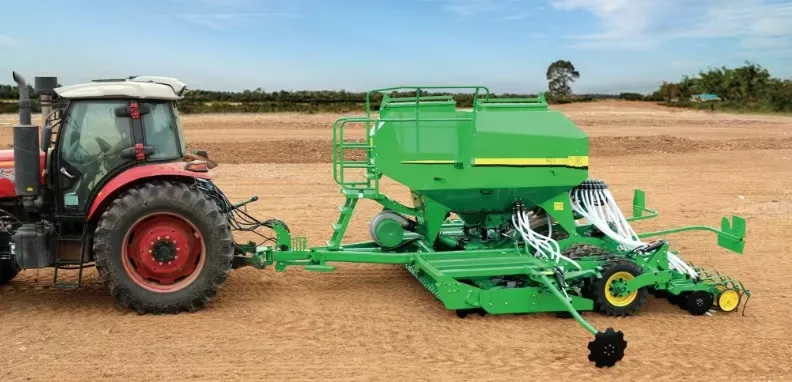
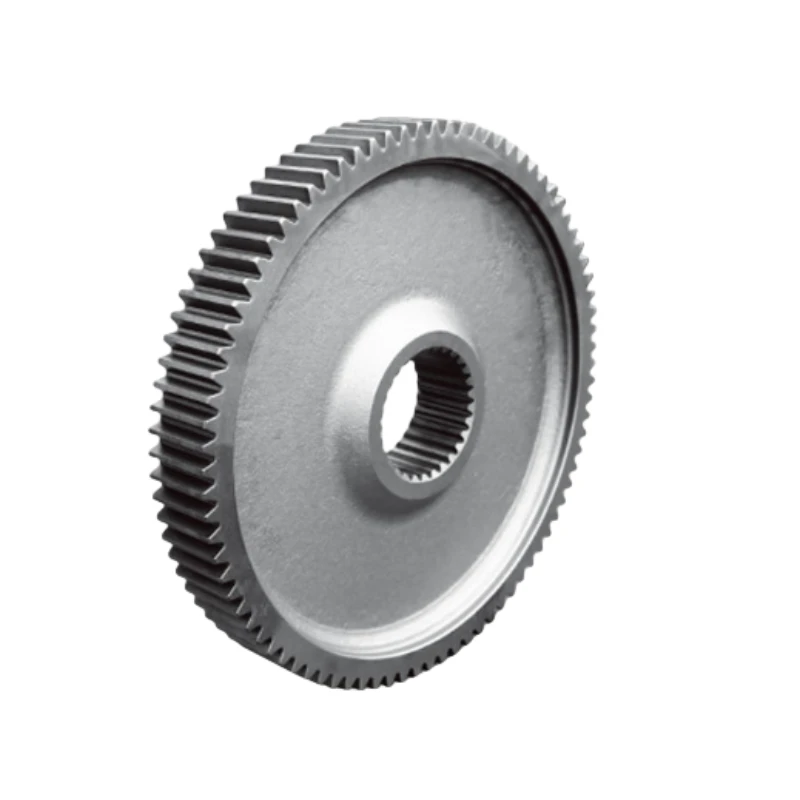
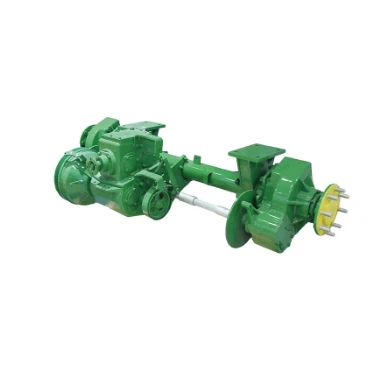
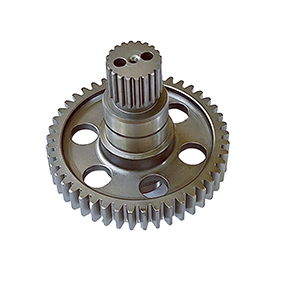
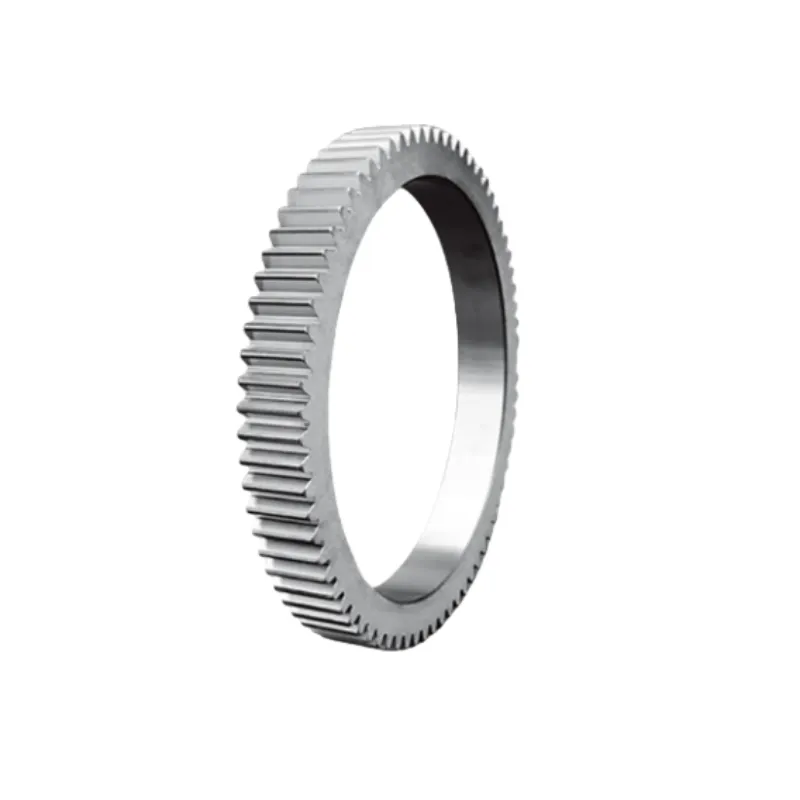
01The Application of Agricultural Machinery Gears In The IndustryAgricultural machinery gears are widely used in the agricultural machinery industry. In tractors, gears are applied to the transmission system. They can transmit the power from the engine to the wheels and achieve different speeds and torques through different gear combinations, so as to adapt to various working conditions such as plowing and transportation.
-
02Application of ComponentsIn agricultural machinery, the gearbox is mainly used to change the transmission ratio. Taking a tractor as an example, when the tractor needs to drive slowly in the field to cultivate the land and other operations, the gearbox can transmit the power of the engine through a lower transmission ratio, thereby outputting a larger torque to ensure that the agricultural machine has enough power to drive the agricultural implement for deep farming and other operations.
-
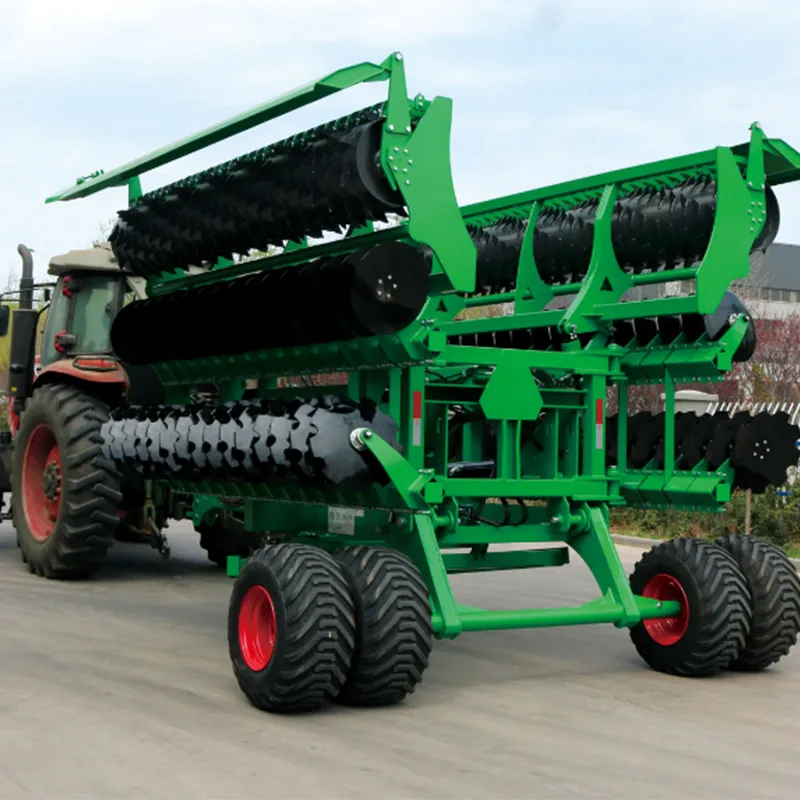
03Application of Agricultural MachineryField operations: Tractors are one of the most important power machines in agricultural production. In cultivated land operations, it can use powerful power to drive ploughshares to till the land by mounting ploughs to turn, break and level the soil, creating good soil conditions for sowing. For cultivator operations, it can mount cultivators to perform operations such as weeding, loosening and soil cultivation during crop growth to promote the growth of crop roots and nutrient absorption.
International layout
Spread all over the world
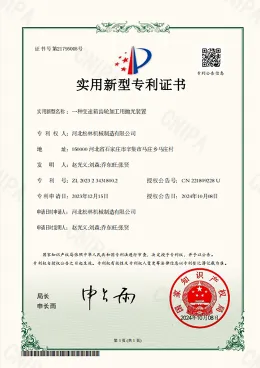
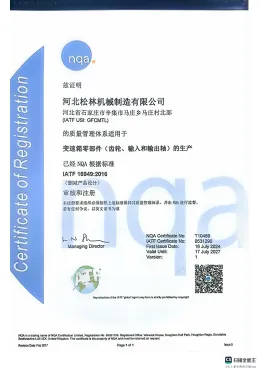
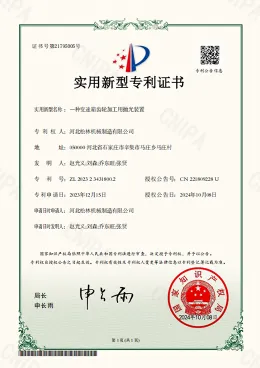
Our agricultural machinery products have won wide recognition and trust in the global market, and our sales network covers many countries and regions.

-
2026-04-05 03:56350 Gear Drive Timing_ Essential for Engine PerformanceWhen it comes to automotive engines, the 350 gear drive timing is a crucial component for ensuring t>
-
2026-04-05 02:30Find Your Corn Picker For Sale_ Efficient Harvesters & ChoppersAdvancing Agricultural Efficiency: The Modern Corn Picker for Sale The agricultural sector is underg>

-
2026-04-05 01:46Pneumatic High Speed Seeder-Zinan Technology_Precision Planting&High-Speed OperationThe Pneumatic High Speed Seeder from Zinan Technology Co., Ltd. represents a breakthrough in agricul>
Sign up
for Newsletter
Subscribe to the weekly newsletter for all the latest updates